
TL;DR
Most people stall on fat loss for predictable reasons: hidden calories in sauces and cooking oils, not eating enough protein, poor sleep wrecking hunger hormones, sitting too much between workouts, and quitting when progress slows. Kraken Fitness trainers in North Burnaby see these patterns constantly — and all five are fixable without overhauling your life.
1. Hidden Calories Are Sabotaging Your Deficit
This is the one that catches people off guard the most. You think you’re eating well — salad instead of rice, grilled chicken instead of a burger — but hidden calories in sauces, cooking oils, and condiments are quietly adding 300 to 500 extra calories to your day.
Here is a scenario Kraken’s trainers see all the time: someone orders a sirloin steak at a restaurant, thinking it is a solid high-protein choice. And it is, in theory. But that restaurant is cooking with generous amounts of oil and finishing with butter to make it taste amazing. The steak you thought was 400 calories might be closer to 700 by the time it hits your plate.
The same thing happens at home. Peanut butter on toast, teriyaki sauce on chicken, ranch on a salad — each one can add 200+ calories that never register as “eating more.” And the cruel part is that liquid and sauce calories rarely make you feel full. You get the calories without the satiety.
What actually helps:
- Track your food for a stretch. You do not need to count calories forever, but going through a phase where you learn what is actually in your food changes how you eat permanently. Most people who have never tracked are consistently off by hundreds of calories per day.
- Swap, don’t deprive. Powdered peanut butter (like PB2) cuts about 80% of the calories from regular peanut butter and still hits the spot. Lower-calorie sauces exist for almost everything. It will not taste identical, but when you are in a fat loss phase, it is close enough.
- Lean into herbs and spices. Garlic salt, cumin, paprika, thyme, rosemary — all essentially zero calories and they make plain protein taste legitimately good. Kraken’s coaches are big on cumin specifically. It changes a boring chicken-and-rice meal into something you actually look forward to eating.
- Choose leaner cuts. Chicken breast over thighs. Extra lean ground beef over medium. Cod or tilapia swapped in for salmon a few times a week. Small switches that add up without changing what you eat, just how much fat comes with it.
The point is not to eat bland food. The point is to know where the calories are hiding so you can make informed choices instead of guessing.
2. You’re Not Eating Enough Protein
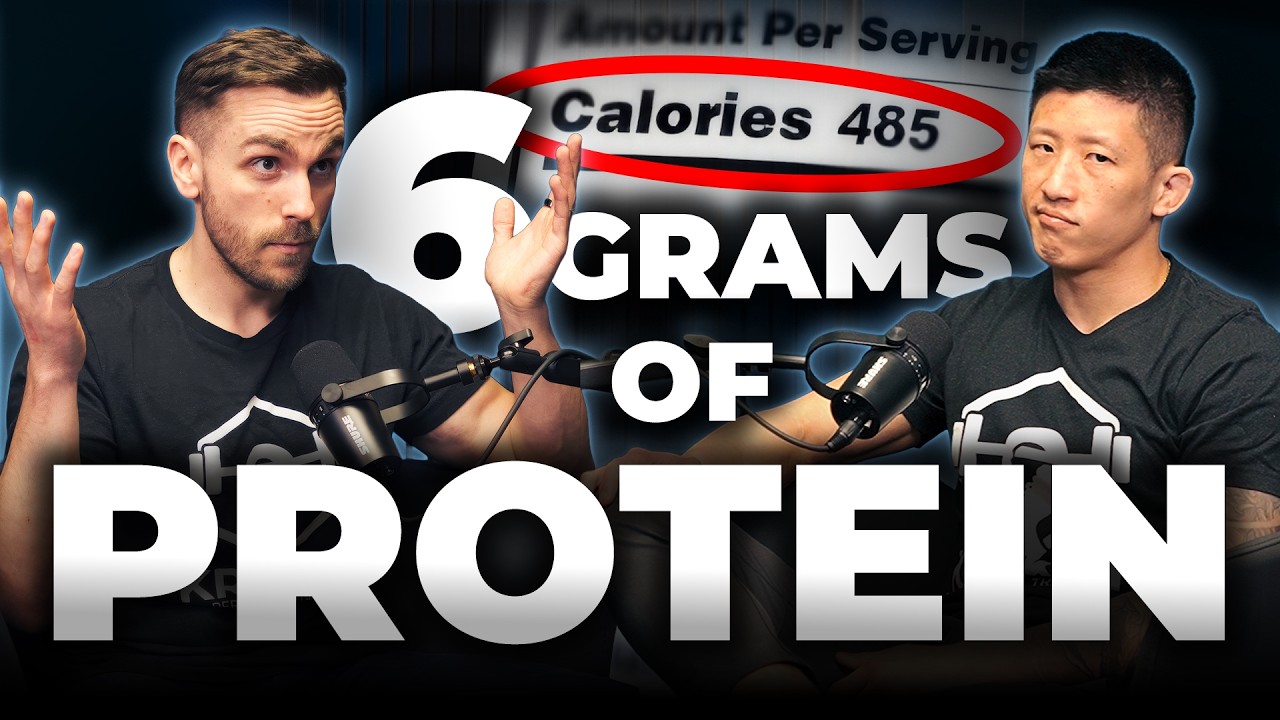
Most people under-eat protein. That is not opinion — it is one of the most consistent patterns Kraken’s nutrition coaches see in North Burnaby and across the Brentwood area. People come in thinking they eat “pretty well” and when they actually track, their protein is 60 to 80 grams a day when it should be closer to 120 to 160.
Protein matters more during fat loss than at any other time. When you are in a calorie deficit, your body needs a reason to hold onto muscle. Without enough protein and resistance training, your body will happily burn muscle along with fat — which means the number on the scale drops but you do not look or feel any better.
How much is enough? Kraken’s nutrition program targets 0.8 to 1.0 grams of protein per pound of body weight. If you are significantly overweight, base it on your goal weight instead. A 250-pound person trying to get to 150 does not need 250 grams — 150 grams is a solid target.
Three reasons protein is non-negotiable during fat loss:
- Muscle preservation. Adequate protein plus weight training signals your body to keep muscle and burn fat preferentially. Without it, you lose both.
- Satiety. Protein keeps you feeling full longer than carbs or fat at the same calorie count. Kraken’s coaches often increase a client’s protein intake before starting a fat loss phase specifically to manage hunger. Going from 140 grams to 160 grams can make a noticeable difference in how hungry you feel throughout the day.
- Thermic effect. Your body burns more calories digesting protein than any other macronutrient. Your body temperature literally rises as it breaks protein down. It is not a massive effect on its own, but it adds up over weeks and months.
Nobody accidentally eats enough protein. You have to be intentional about it. That is the reality. If you are not planning your protein at each meal, you are almost certainly falling short.
3. Your Sleep Is Wrecking Your Progress
If you listen to the Kraken Power Podcast, you already know this one is coming. Josko and Brandon bring up sleep in practically every episode because it is that important — and that underrated.
Poor sleep does not just make you tired. It directly disrupts your hunger hormones. Leptin (the hormone that tells you you’re full) drops. Ghrelin (the hormone that tells you you’re hungry) spikes. The result: you wake up ravenous and craving calorie-dense food. Not a grilled chicken salad. Pizza. Pancakes. Fast food.
Think about the last time you went out, had drinks, got home late, and slept five hours. The next day you were not reaching for a steak and vegetables. You wanted greasy, heavy, convenient food — and a lot of it. That is not a willpower problem. That is your hormones screaming for quick energy because your body did not recover properly.
And it is rarely just one bad night. One night of poor sleep bleeds into the next day: you are tired, you eat poorly because your hunger hormones are off, you feel restless at bedtime, and the cycle repeats. One rough Friday night can derail the entire following week if you are not careful.
What Kraken’s coaches recommend:
- Cut caffeine 12 hours before bed. Not “by noon” — 12 hours before your actual bedtime. If you go to bed at 9 PM, your last coffee is 9 AM. If you go to bed at midnight, noon works. The cutoff depends on your schedule, not the clock.
- Set a bedtime alarm. Most people set an alarm to wake up but never one to go to sleep. Set one 30 minutes before lights-out as a wind-down warning.
- Aim for 7+ hours minimum. Duration matters, but so does consistency. Going to bed and waking up at roughly the same time — even on weekends — improves sleep quality measurably. Your deep sleep and REM cycles become more efficient when your circadian rhythm is stable.
- Watch late-night exercise and meals. Training hard at 7 PM and eating a big meal at 8:30 PM is a recipe for restless sleep. If your schedule forces late workouts, at least give yourself a buffer before bed. Sometimes skipping the evening session in favor of actual rest is the smarter play.
- Limit alcohol to once a week, if that. Alcohol is one of the most effective sleep destroyers out there. It might knock you out, but it wrecks sleep quality.
Sleep is the foundation everything else sits on. Your nutrition discipline, your training intensity, your recovery — all of it suffers when sleep is off.
4. You’re Not Moving Enough Outside the Gym
NEAT stands for Non-Exercise Activity Thermogenesis. It is all the calories you burn through movement that is not formal exercise — walking around your office, fidgeting, standing, taking the stairs, pacing while on a phone call.
Here is the thing most people miss: your one-hour workout burns far fewer calories than your remaining 15 waking hours of movement (or lack of it). If you train hard for an hour and then sit at a desk for eight hours and on a couch for four hours, you are leaving a huge amount of calorie burn on the table.
Kraken’s coaches see this pattern constantly, especially with clients who work desk jobs in the Burnaby and Brentwood area. They train three or four times a week, eat reasonably well, but sit for the vast majority of their day. Their step count outside the gym is shockingly low.
One of Kraken’s clients came in recently saying he was sore from his last workout. He had been sitting in his car for 30 minutes waiting to drop his kids off at school and was literally limping when he got out. As soon as he walked up the stairs and started moving, the soreness eased up. Motion is lotion — as cheesy as that sounds, it is true.
Simple ways to increase your daily movement:
- Listen to your watch. Most wearables remind you to move every hour. Actually do it. A two-minute walk every hour adds up to meaningful calorie burn over a full day.
- Get a walking pad. They are about $80 at this point. Put one under a standing desk and walk at a slow pace while you work. You do not need to break a sweat — just keep your legs moving.
- Standing desk. Around $300 to $400 now. Use it for at least part of your work day. Even alternating between sitting and standing makes a difference.
- Take calls on your feet. Pace during phone calls. Park farther from the entrance. Take the stairs. None of this feels like exercise, and that is the point.
If Kraken’s coaches had to choose between a client doing one hour of intense exercise and sitting all day versus skipping the gym but moving consistently throughout the day, they would pick the movement every time. You feel sharper, recover better, and burn more total calories. Ideally you do both — but daily movement is the bigger lever most people ignore.
5. You’re Not Sticking With It Long Enough
This is the one that was saved for last on the podcast for a reason. It is the least exciting answer and the most important one.
Adherence is the science. You can have the perfect calorie target, the ideal protein intake, great sleep, and plenty of daily movement — but if you bail after three weeks because the scale did not move for four days, none of it matters.
Here is what Kraken’s nutrition coaches see happen constantly: a client loses weight consistently for a month. Progress is visible. Then the scale stalls for a few days. Maybe a week. The client panics, thinks the plan stopped working, and either changes everything or gives up entirely. Meanwhile, their weekly average was still trending downward — they just could not see it because they were fixated on the daily number.
This is one of the biggest benefits of working with a trainer. An outside perspective looking at the same data without the emotional attachment. Kraken’s coaches see these weight charts all the time. They can look at someone’s weekly averages and say “you are still on track, do not worry about it” — and that reassurance alone keeps people from self-sabotaging.
What adherence actually looks like:
- Expect non-linear progress. Your weight will not drop in a straight line. It will plateau, bounce up, drop suddenly, and plateau again. That is normal. Weekly averages matter more than daily weigh-ins.
- Do not change what is working. The urge to “try something different” when progress slows is almost always wrong. If you were losing weight and it stalled, you are probably days away from another drop. Changing your approach resets the clock.
- Think in months and years, not weeks. Depending on how much you want to lose or how much muscle you want to build, meaningful transformation takes months. Sometimes years. That is not discouraging — it is honest. The people who accept that timeline are the ones who actually get there and stay there.
- Long-term results are the only results that matter. Losing 10 pounds in a month and gaining it back the next is not a result. Losing 10 pounds over three months and keeping it off for a year is. Adherence is what separates the two.
Nobody at Kraken Fitness is going to tell you there is a shortcut. There is not. But the plan does not need to be complicated. It needs to be followed.
FAQ
How many calories can hidden sauces and cooking oils add to a meal?
Sauces, dressings, and cooking oils can easily add 300 to 500 extra calories per day without you realizing it. A restaurant steak cooked in butter and oil can nearly double the calorie count of the plain cut. Tracking your food for even a few weeks reveals where these hidden calories are hiding in your diet.
How much protein should I eat to lose fat and keep muscle?
A solid general guideline is 0.8 to 1.0 grams of protein per pound of body weight. If you are significantly overweight, base it on your goal weight instead. Protein preserves muscle during a calorie deficit, keeps you feeling full, and burns more calories during digestion than carbs or fat.
Why does poor sleep make me hungrier the next day?
Sleep regulates your hunger hormones — leptin (fullness) and ghrelin (hunger). When you sleep poorly, leptin drops and ghrelin spikes, making you crave calorie-dense foods. One bad night can throw off your eating for days, which is why Kraken’s trainers treat sleep as a fat loss fundamental, not an afterthought.
What is NEAT and why does it matter for fat loss?
NEAT (Non-Exercise Activity Thermogenesis) is all the calories you burn through daily movement that is not formal exercise — walking, fidgeting, standing, taking stairs. For most people, increasing NEAT burns more total calories than adding another gym session, especially if you have a sedentary desk job.
How long should I stick with a fat loss plan before seeing results?
Give any well-structured plan at least 8 to 12 weeks before judging it. Weight loss is not linear — expect plateaus, daily fluctuations, and weeks where the scale barely moves. Track weekly averages instead of daily weigh-ins, and resist the urge to change everything when progress temporarily stalls.
Ready to Get Unstuck?
If any of these five reasons hit home, Kraken Fitness in North Burnaby can help. Kraken’s trainers work with people who are not seeing the results they expected — and most of the time, the fix is simpler than people think. No overhauls. No extreme diets. Just identifying the specific thing holding you back and building a plan you will actually follow.
Book a free consultation and find out what is standing between you and the results you want.
Listen and Watch
Hear the full conversation between Josko and Brandon on Episode 5 of the Kraken Power Podcast.
YouTube: https://youtu.be/xmGMwTpV3z4
Spotify: https://open.spotify.com/episode/7tnuJzLuJevSSsOpRDFN0Y?si=mtPqPxTNQNexkOZGY4iDXQ
Apple Podcast: https://podcasts.apple.com/au/podcast/5-reasons-why-youre-not-seeing-results-ep-5/id1769000945?i=1000676822461