
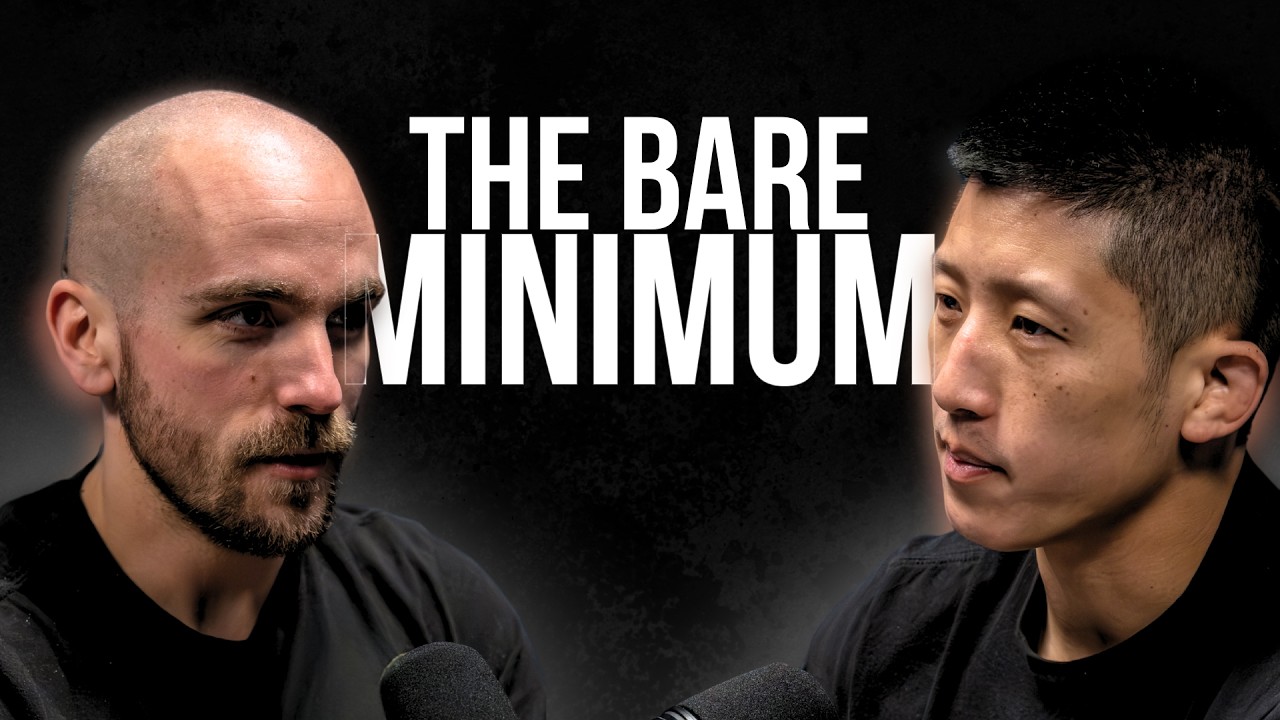
You’re not lazy. You have decision fatigue from your kids, you’re exhausted from midnight wake-ups, and the last thing you want is another thing on the to-do list. At Kraken Fitness in North Burnaby, near Brentwood, coaches Josko and Brandon — both parents themselves — use a bare minimum protocol for clients in the trenches of parenthood: walk daily, prioritize protein, and fix your sleep environment. That’s it. Three things. And they work.
Watch: The Bare Minimum Workout
In this episode of the Kraken Power Podcast, Josko and Brandon lay out the bare minimum fitness protocol for busy, exhausted parents — three simple habits that keep you on track when life won’t let you do more.
Why All-or-Nothing Fails Parents
Everyone who gets into fitness thinks it has to be all or nothing. Either you’re going to the gym five days a week, tracking macros, and meal prepping on Sundays, or there’s no point. That mindset is exactly why parents fail.
Having a kid is one of the most stressful things you can do. Brandon puts it plainly: adding exercise on top of an already maxed-out stress load can push a parent over the edge rather than help them. When the bar is set at “110% commitment to fitness,” most parents look at that bar and say “what’s the point?” — and they do nothing instead.
Josko gets it now in a way he didn’t before having kids. Before his three kids, he used to think: “Just drop the kid at daycare and work out.” Now he understands the reality — the midnight wake-ups, the decision fatigue from figuring out what a toddler will wear, the sheer exhaustion that makes thinking about the gym feel like climbing Everest.
But here’s the thing: there have been periods where Josko worked out less. He didn’t stop entirely, because he figured out the bare minimum he could do and still stay on track. That’s the framework Kraken’s coaches use for every parent who walks in feeling guilty about not exercising.
The bare minimum isn’t the goal. It’s the floor that keeps you from losing everything while life is at its hardest. And it’s a bridge — because 10 minutes of walking today can become 20 minutes next week, which can become a gym session next month.
Bare Minimum 1: Walk Every Day
Walking is the single best thing a parent can do for their fitness when everything else feels impossible. The setup is as simple as it gets: put on shoes, exit the house, walk in a loop, come back.
Josko’s recommendation starts at 10 minutes. That’s it. Ten minutes of walking per day. It burns a few extra calories, it improves your mood, it gets you outside, and most importantly — it has expansion potential. Ten minutes becomes 20. Twenty becomes 30. Eventually, the person who could barely manage a daily walk is ready to add gym sessions.
The best part about walking for parents: you can include your family. Josko’s wife used to put the newborn in a stroller and walk around the block just to get some air. Brandon grabs his daughter and walks around the neighborhood. He looks at some trees. He gets sun. Progressive overload happens automatically because the kid gets heavier every week.
Walking also doesn’t add stress the way intense exercise can. A parent who’s already running on empty doesn’t need a HIIT workout — they need gentle movement that gives energy instead of draining it. Walking is the one form of exercise where you almost always feel better afterward than you did before.
At Kraken Fitness in Burnaby, coaches use walking as the entry point for parents who haven’t exercised in months or years. It removes every possible excuse: no gym membership needed, no equipment, no time commitment beyond 10 minutes, and your kids can come with you.
Bare Minimum 2: Protein-First Meals
The second bare minimum habit is prioritizing protein at every meal. Not tracking calories. Not meal prepping. Not weighing food. Just making sure protein shows up on every plate.
Brandon explains why protein is the single most impactful nutritional change a parent can make:
- Satiation — protein keeps you fuller longer, which means fewer cravings and less mindless snacking between meals
- Muscle preservation — even if you’re not exercising as much as you used to, adequate protein helps maintain lean muscle mass
- Calorie displacement — when you fill your plate with protein, you naturally eat fewer calories from carbs and fats without trying
The method doesn’t matter. Some Kraken clients use apps like MyFitnessPal. Some use the fist method — five to six fist-sized portions of protein per day. Some just make sure every meal includes meat, eggs, fish, or another protein source.
Brandon applies this with his own daughter too. Her meals are protein-forward. It’s not about restriction or rules — it’s about making protein the default rather than an afterthought.
For busy parents, the simplest version is: before you eat anything, ask “where’s the protein?” If there’s no protein on the plate, add some. That one habit, applied consistently, makes a bigger difference than any complicated diet plan that you’ll abandon in a week.
Bare Minimum 3: Fix Your Sleep Environment
Sleep is already compromised when you have young kids. Midnight feedings, crying toddlers, disrupted schedules — that’s the reality. You can’t control when your kid wakes up. But you can control the quality of sleep you get during the hours you do sleep.
Josko’s approach is environmental. Instead of treating post-bedtime hours as screen time (TV, phone scrolling, Netflix), he redesigned his home environment to wind down naturally:
Dim the lights early. At 8 PM — before the kids go to bed at 9 — Josko dims all the lights in the house. The family switched to electronic candles (battery-powered, always available) instead of overhead lights. The house goes dark, the kids get sleepy, and by 10 PM, the adults are too tired to stay up scrolling.
Blue light blocking glasses. On top of the dim lighting, Josko wears blue light blocking glasses in the evening. The combination of dark environment plus blocking the remaining blue light from screens makes falling asleep dramatically easier.
No bright screens before bed. The reason people stay up until midnight, 1 AM, 2 AM isn’t that they’re not tired. It’s that their phone and TV screens are keeping their brain awake. Bright lights after dark tell your brain it’s still daytime. Remove the bright lights, and your body’s natural sleepiness kicks in.
The key insight for parents: the time after kids go to bed feels precious, and it is. But spending it staring at a phone under bright lights doesn’t actually help you relax — it does the opposite and costs you sleep. Using that time in a dim, calm environment is more restorative and leads to better sleep quality during the limited hours available.
For parents with intermittent sleep (newborns waking every few hours), sleep quality matters even more than duration. The hours you do get need to count. A dark, screen-free wind-down makes those hours significantly more effective.
The Bare Minimum Is the Bridge
This bare minimum protocol isn’t meant to be permanent. It’s the floor that keeps you moving when everything in your life is competing for your energy.
Brandon frames it this way: just because this is the bare minimum doesn’t mean you can’t do more. But this is what you hold onto until you have the capacity for more. And before you know it, you’ll be back to a full exercise program — or building one for the first time.
For parents who never had a fitness routine before kids: this is also a starting point. Walk, eat protein, fix your sleep environment. That trio alone will make you healthier than most people who have gym memberships they don’t use.
The math is simple. Ten minutes of walking beats zero minutes plus guilt. A protein-focused meal beats skipping lunch because you’re overwhelmed. Going to bed at 10 PM in a dark house beats scrolling until midnight and waking up wrecked.
The bare minimum works because it removes the all-or-nothing barrier. You don’t have to train like a CrossFitter or eat like a bodybuilder. You just have to do three simple things, every day, and let them build into something bigger when you’re ready.
FAQ
What is the bare minimum workout for busy parents?
Kraken Fitness in Burnaby recommends three habits: walk 10 minutes daily, prioritize protein at every meal, and fix your sleep environment by dimming lights and removing screens before bed. These three habits maintain fitness, energy, and health during the most demanding parenting years without adding stress.
How much walking per day makes a difference?
Even 10 minutes of daily walking makes a measurable difference in mood, energy, and weight management. The key is consistency, not duration. Kraken’s coaches use walking as the entry point because it’s free, requires no equipment, and can include the whole family. Ten minutes often naturally expands to 20-30 over time.
Should new parents try to go to the gym?
Not necessarily. If getting to the gym adds more stress than it relieves, stick with the bare minimum protocol first. Walking, protein, and sleep hygiene can keep you on track until you have the bandwidth for gym sessions. Don’t force a program that your current life can’t sustain.
How do I improve sleep quality as a new parent?
Dim all house lights by 8 PM, switch to electronic candles, wear blue light blocking glasses, and avoid phone/TV screens before bed. You can’t control when your baby wakes up, but you can control the quality of sleep you get during the hours available. A dark wind-down makes those hours count more.
Is the bare minimum enough to see real fitness results?
The bare minimum maintains your baseline and prevents backsliding during high-stress parenting periods. It’s not designed to build a six-pack. It’s designed to keep you healthy and create a bridge to more when your capacity returns. Many Kraken clients start here and naturally progress to full programs within months.
Ready to Start?
If you’re a parent who’s been putting fitness last and you want a coaching team that understands real life, Kraken Fitness in North Burnaby near Brentwood offers a free trial week. Kraken’s coaches work with busy parents every day — no guilt, no pressure, just a plan that fits your life.